Up N Smoke Chimney Service
All customers who call to schedule an inspection before August 1, 2026 will receive 20% OFF ON ANY CURRENT REPAIRS, or a future Chimney Sweep this coming fall!
Serving Lake Charles, Mossbluff, Sulphur, Ragley, Iowa, Grand Lake, Cameron, and Kinder
Call/Text: +1(337) 567-6054
Email: [email protected]
CSIA Certified. Licensed and insured.
About Us
Top Roofing Chimney Service In Louisiana!
Top-tier chimney care for the 337 community! At Up N Smoke Chimney Service, we are a dedicated multi-member LLC committed to one mission: keeping your home and family safe. A cozy fireplace should bring peace of mind, not hidden hazards. We specialize in protecting homes from the dangers of chimney fires and carbon monoxide through precision-led maintenance. Whether you need a routine sweep, a detailed Level I, II, or III inspection, or expert masonry repair to restore your hearth’s beauty, our team delivers professional, reliable results you can trust.
WHAT DO WE OFFER?
Comprehensive Chimney Services
Discover expert solutions for new installations, repairs, and maintenance. From enhancing curb appeal with new chimneys to storm damage repairs, trust our reliable craftsmanship for lasting results.
Chimney Sweeping & Cleaning
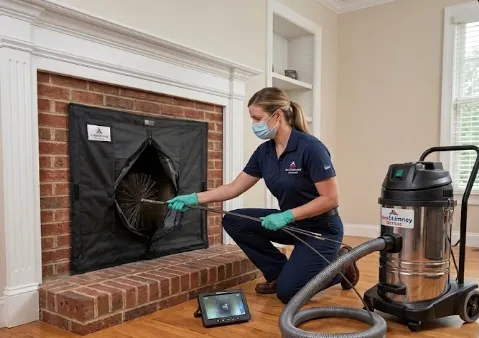
Protect your home from the leading cause of chimney fires. Our team removes dangerous creosote and soot buildup, ensuring your fireplace breathes correctly and burns efficiently all season long. We keep the process mess-free and your air quality clean.
Chimney Inspections (level 1-3)
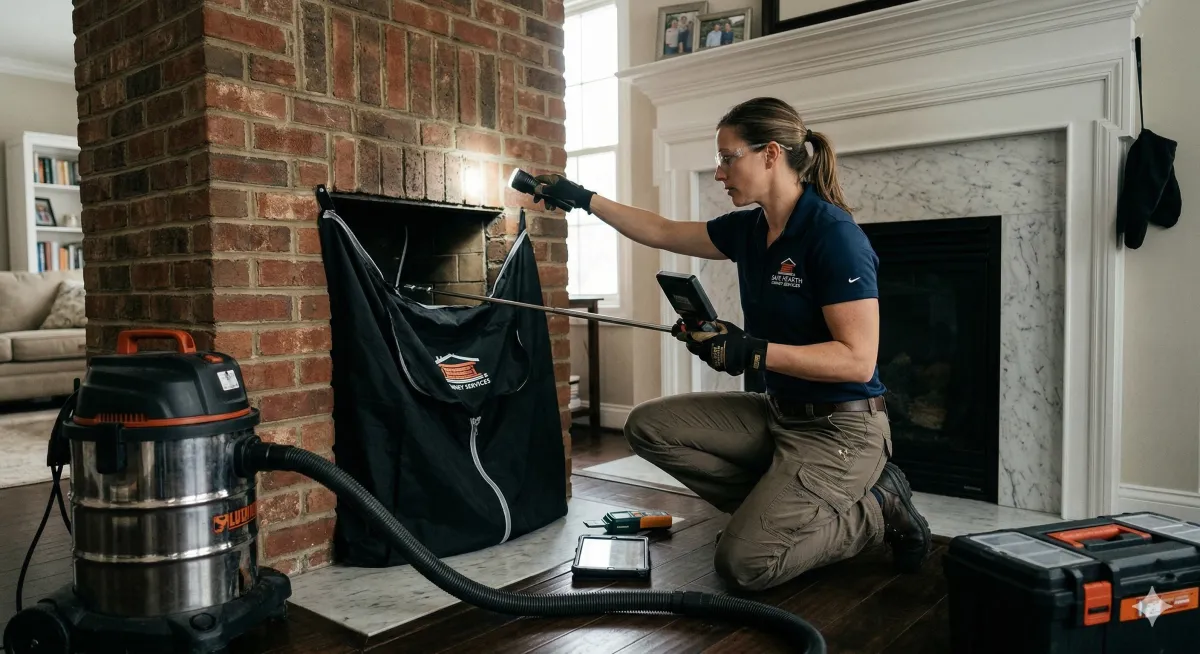
Whether it’s a routine annual check or a detailed structural investigation, we provide the peace of mind you need.
Level 1: Standard maintenance check.
Level 2: Required for home sales or after a weather event.
Level 3: In-depth investigation of hidden components to ensure total structural safety.
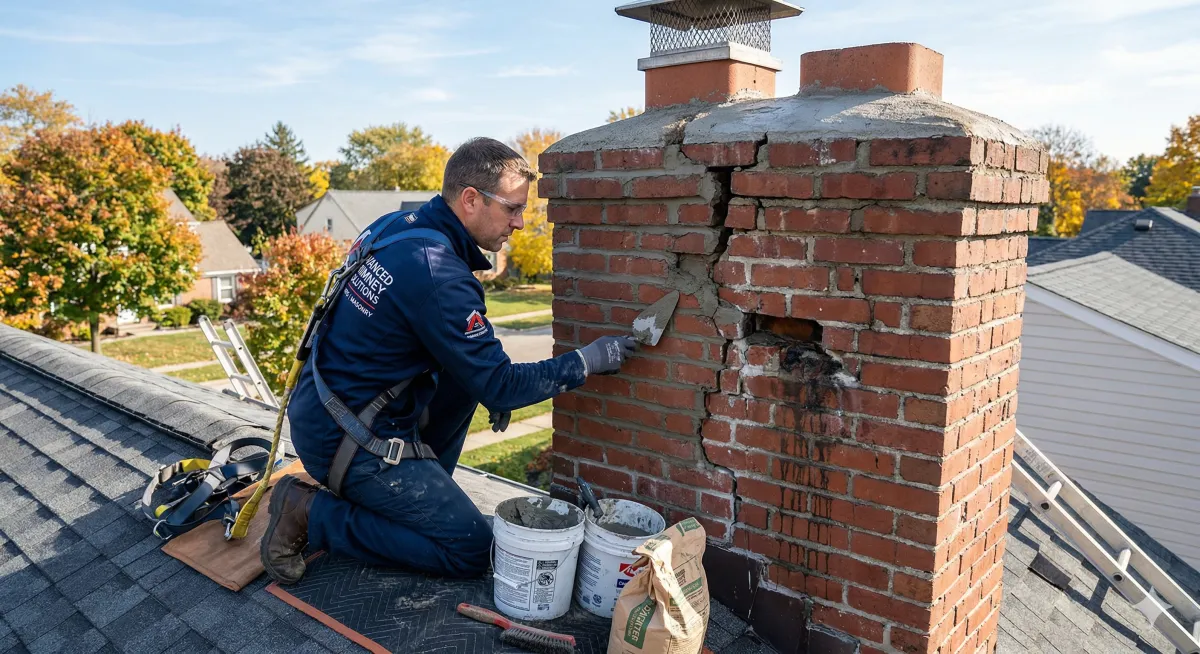
Chimney Repairs (Leaks, Cracks, & Masonry)
Water is a chimney’s worst enemy. We specialize in masonry restoration, tuckpointing, and leak repair to seal your system against the elements. From fixing minor cracks to full structural masonry work, we ensure your hearth stays solid and dry.
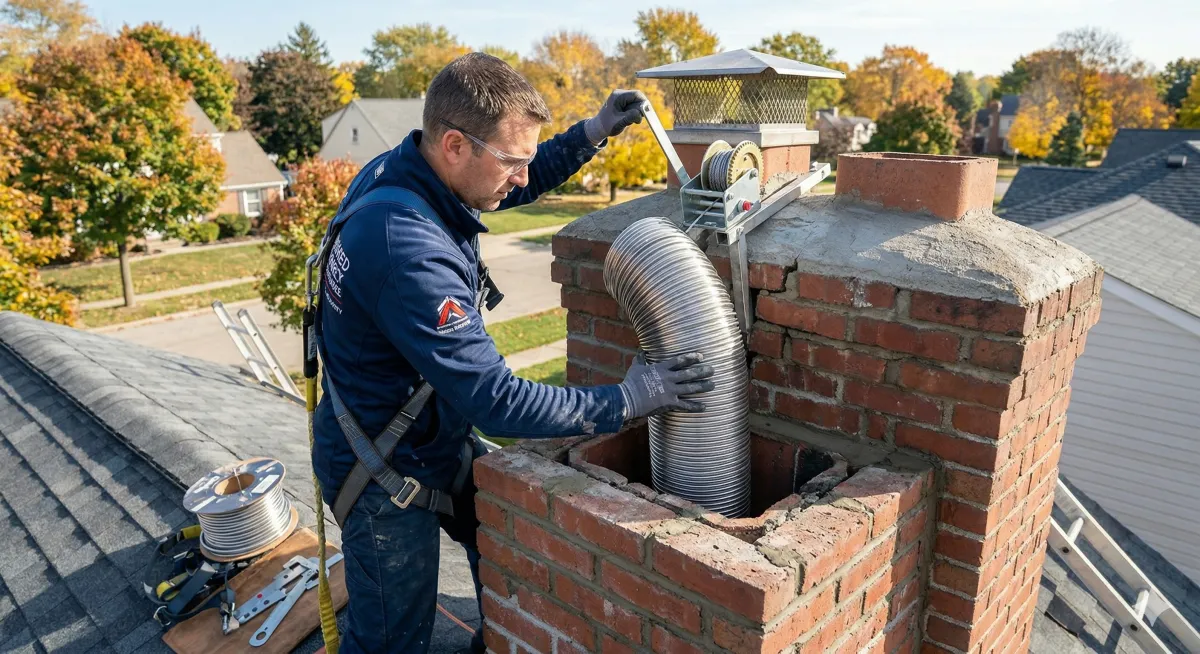
Chimney Relining
A damaged or aged flue liner is a major fire and health hazard. We install high-quality chimney liners that protect your home’s masonry from heat and ensure toxic gases like carbon monoxide are safely vented outside where they belong.
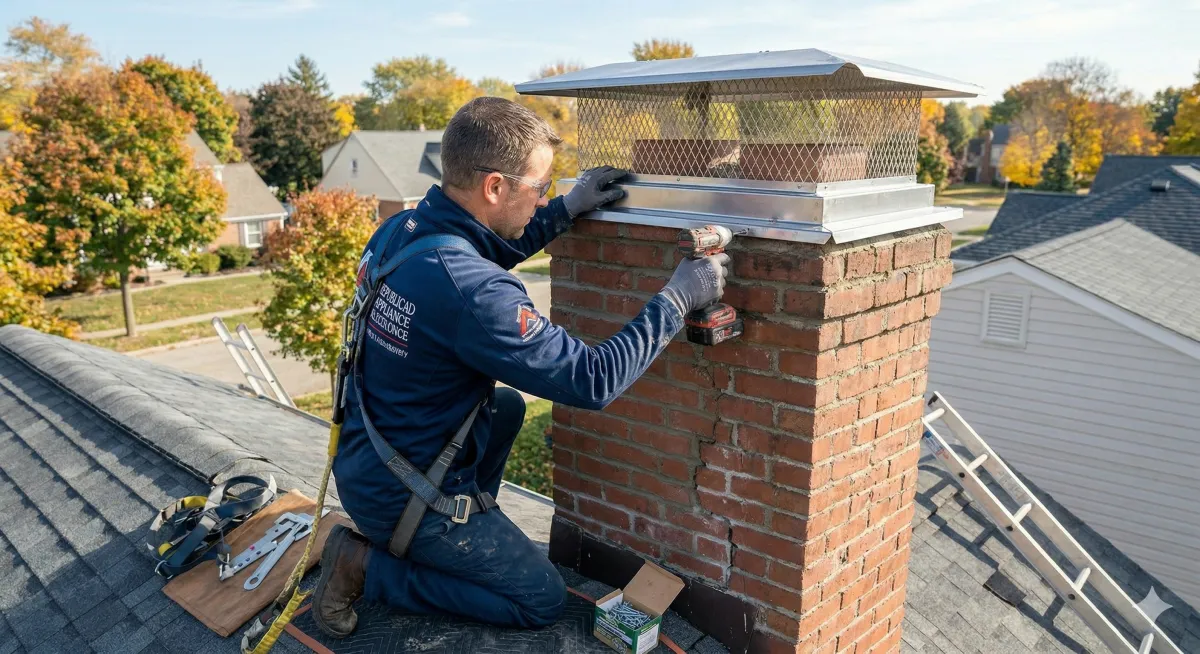
Chimney Cap Installation
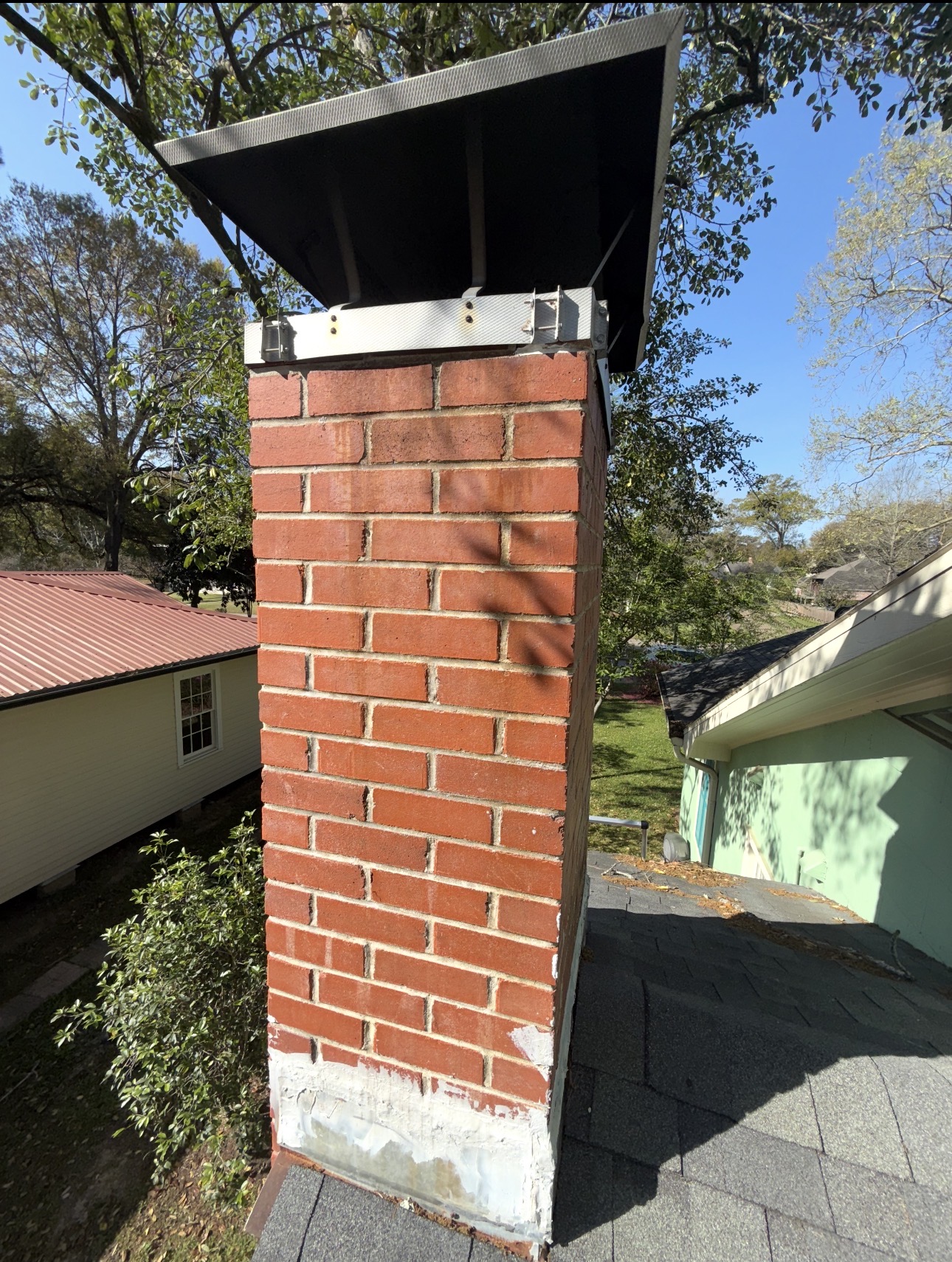
Think of a chimney cap as your flue’s first line of defense. Our professional-grade caps keep out rain, debris, and curious critters, while also acting as a spark arrestor to prevent stray embers from reaching your roof.
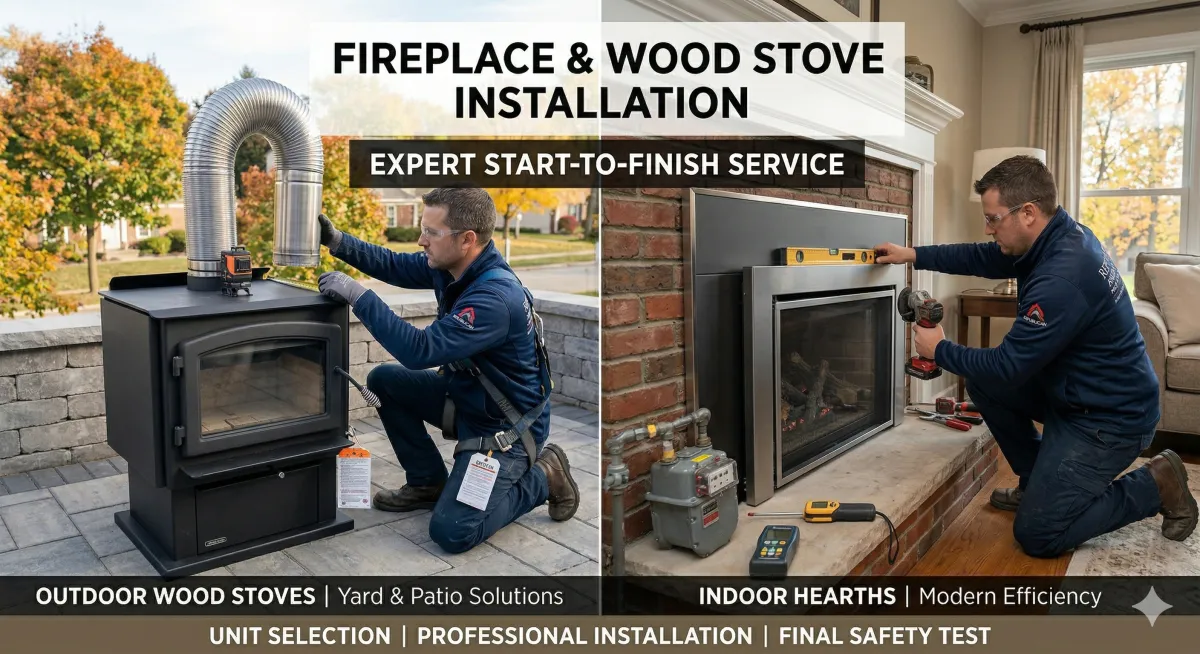
Fireplace & Wood Stove Installation
Ready to upgrade your home’s ambiance and heating efficiency? We provide expert installation for both indoor hearths and outdoor wood stoves. From choosing the right unit to the final safety test, we handle the entire process from start to finish.
FAQS
Get clear, honest answers about chimney safety, inspections, and what most homeowners overlook—so you can protect your home with confidence.
What is the recommended amount of times to get a chimney inspected per year?
National Fire Protection Association recommend that chimneys, fireplaces, and vents be inspected at least once a year. Some local municipalities, insurance companies, or rental property regulations may require inspections more frequently—especially for landlords.
Why is annual chimney inspection so important?
Even if you don’t use your fireplace often, your chimney can still develop hidden issues like cracks, blockages, or creosote buildup. These problems can lead to house fires or carbon monoxide leaks if left unchecked. Annual inspections catch these risks early before they become dangerous or expensive.
What is creosote and why is it dangerous?
Creosote is a highly flammable residue that builds up inside your chimney when you burn wood. Over time, it can ignite and cause a chimney fire, which can spread to the rest of your home. Many homeowners don’t realize how quickly creosote accumulates—even after just one season of use.
Can a chimney get blocked even if I don’t use it?
Yes—this is something most people don’t expect. Birds, squirrels, leaves, and debris can block your chimney even if it hasn’t been used in months or years. A blocked chimney can cause smoke backup or carbon monoxide to enter your home, which is extremely dangerous.
Will a chimney inspection save me money?
Absolutely. Small issues like minor cracks or early creosote buildup are inexpensive to fix. But if ignored, they can turn into major repairs costing thousands. Regular inspections help you avoid structural damage, fire damage, and costly emergency repairs.
Do I need an inspection if my fireplace seems to be working fine?
Yes—just because everything seems fine doesn’t mean it is. Many chimney problems are hidden from view and don’t show symptoms until they become serious. Professional inspections use specialized tools to detect issues you can’t see, helping keep your home safe year-round.